‘Meeting Our Younger Parts’: Creative Embodied Trauma Therapy Group
The Creative and Embodied Trauma Therapy Group is a collaborative initiative between the Devon Mental Health Alliance (DMHA) and NHS secondary care services within Devon Partnership NHS Trust. The programme has been developed in alignment with the Community Mental Health Framework, supporting integrated, person-centred care across services. After meeting weekly since April at the Shekinah GROW site, the Creative Embodied Trauma Therapy Group have completed Module 2: ‘Meeting Our Younger Parts’.
Co-Facilitated by Becca Parkinson (Movement Psychotherapist, DPT), Nicole Wakeling (Music Psychotherapist, DPT), and Bernadette McAuley (Mental Health Development Lead, Devon Mental Health Alliance), this module explored ways to gently recognise the younger aspects of ourselves that continue to influence how we think, feel, relate and respond to the world.
Over the past few months, the group has explored the Window of Tolerance, developing a deeper understanding of how our nervous systems respond to stress and trauma, and how recognising these patterns can help us respond with greater compassion rather than self-criticism.
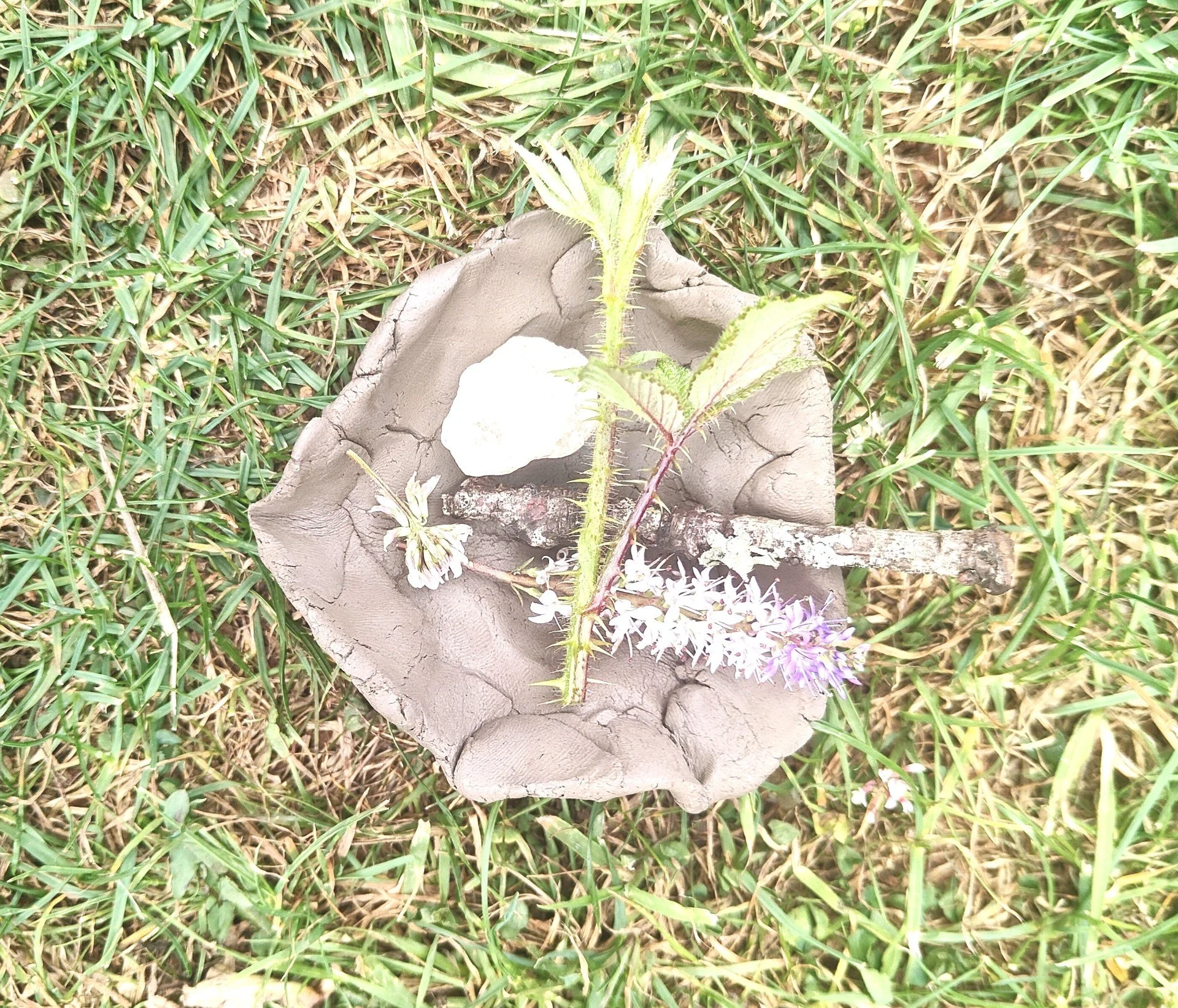
Drawing on principles from Internal Family Systems (IFS) and Psychodynamic psychotherapy, we explored the different parts of ourselves that have developed to protect us, alongside the younger parts that may still carry unmet needs, difficult emotions and early experiences. Rather than seeing these parts as something to fix, we invited curiosity, understanding and self-compassion.
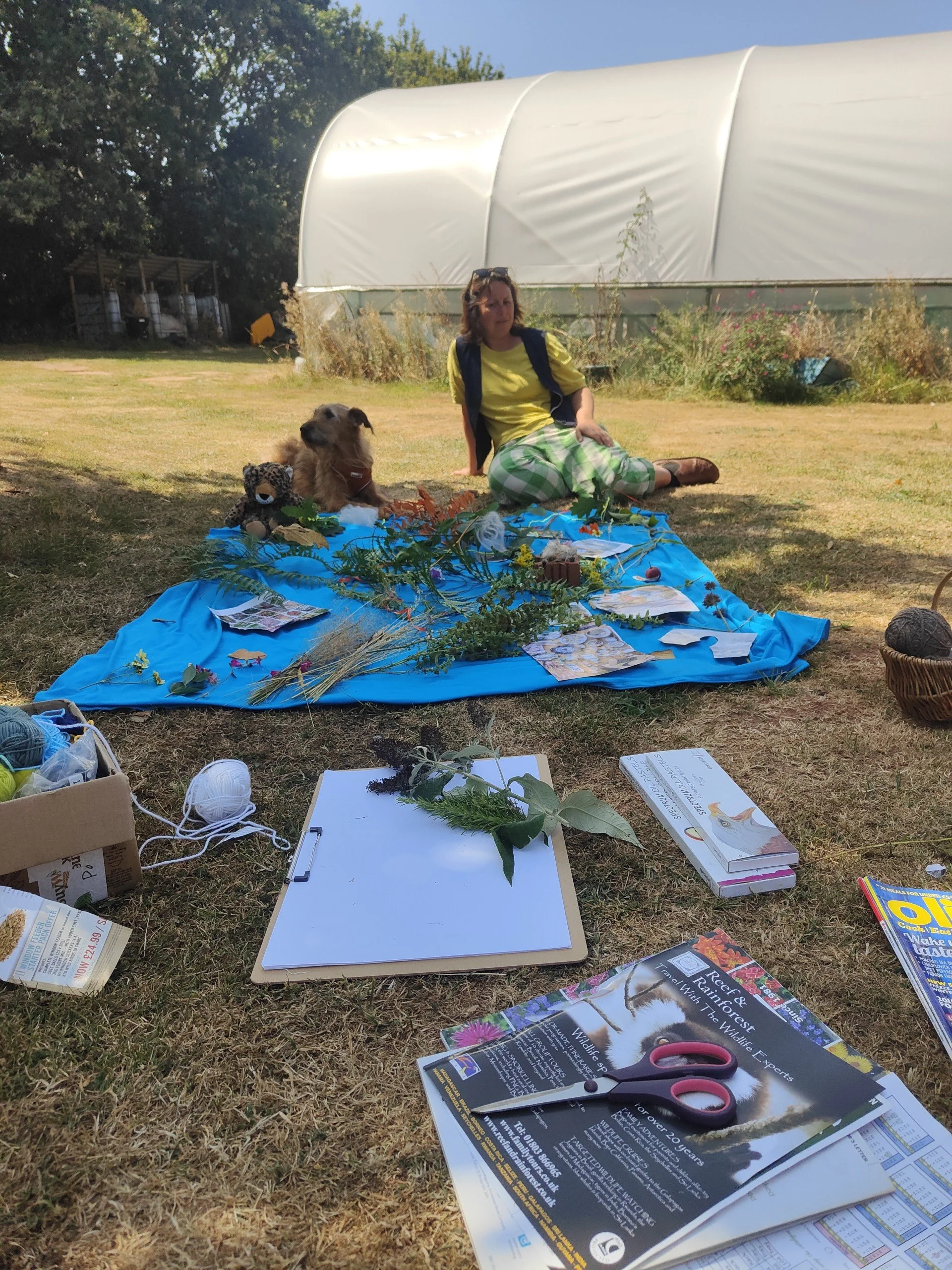
Through movement psychotherapy, music psychotherapy, creativity and reflection, we explored the developmental movement patterns of Yield, Reach and Pull—fundamental experiences that shape our capacity to feel supported, reach for connection and receive care.
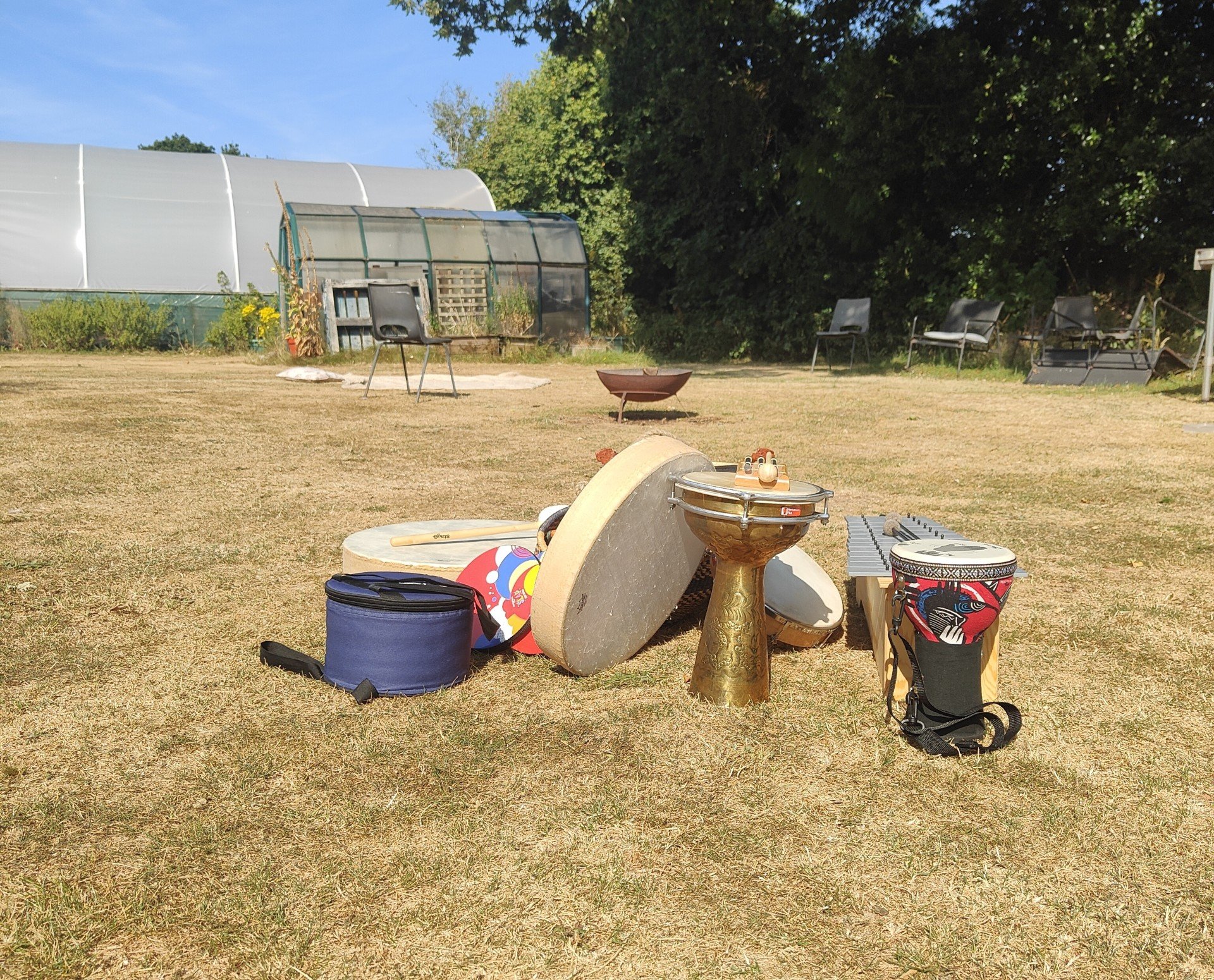
Through music, participants used instruments to give voice to their inner child, discovering connection, expression and support through shared music-making. Movement also offered a way to reconnect with their own voice. Exploring Reach and Pull can feel unfamiliar, uncomfortable or even vulnerable when these patterns have not been safely experienced before. By combining movement with music, participants were able to gently unlearn old protective patterns and begin to develop new experiences of trust, agency and connection.
These embodied experiences reminded us that healing is not only something we think about—it is something we can experience through our bodies, our relationships and our creativity.
It has been a privilege to walk alongside this group over the past four months. Week by week, we have witnessed extraordinary courage, openness and commitment to personal growth. The willingness participants bring to this work—to remain curious, support one another and engage with experiences that can be deeply challenging—is both humbling and inspiring. Their commitment to showing up, even when the work feels uncomfortable, speaks to the transformative power of creative and embodied psychotherapy.
One of the greatest strengths of this group is the sense of community that develops over time. Healing happens not only through learning new ideas or developing new skills, but through being seen, accepted and supported by others who understand.
Our heartfelt thanks go to everyone who has been part of Module 2 and to Shekinah GROW for providing such a warm, welcoming and nurturing space in which this work can unfold. We are continually reminded that trauma-informed, creative and embodied approaches can offer profound opportunities for connection, healing and hope.